The story of Jordan Peele’s Us
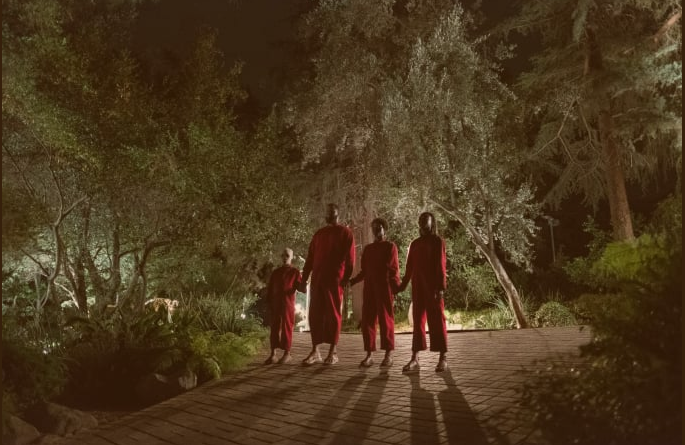
Ask me what the scariest thing in the world is, and without hesitation, I’ll tell you: Walking into a room and finding yourself already there, sitting on the sofa, hands folded calmly in the lap. Last week, writer/director/producer Jordan Peele tweeted, “Get Out is a documentary. Us is a horror movie.” Technically that’s stupid, but we know what the fuck he means. With 2017’s Get Out, Peele presented a precise, tightly-wound satire of black and white America and the clumsy and frightening ways these spheres can intersect. In Us, Peele builds a world on a single terrifying idea, the meaning of which may be as witless as “families are their own nightmare and seeing your double is scary.” But still, let’s see this concept stretched to its insane and frightening conclusion.
From the trailers and commercials you already know the film’s basic conceit, and I think that really sucks. How much scarier would it have been if the mirror family showing up were a complete and terrible surprise? And it’s not as if we need to be lured in by anything other than “the director of Get Out made another movie, go see it.” I am especially right about this when you consider how cryptic the promotions were for Get Out. I saw like one short commercial and immediately booked advanced tickets to a sold-out screening in Detroit on opening night, and it was a top ten movie going experience, because what the fuck, black Stepford Wives??
Nevertheless, I can assure you that how we arrive at this premise and what it all means is a puzzle that unfolds interminably, as when we see our heroine (Lupita Nyong’o—surprise, she’s great) in the film’s penultimate scenes skulking down a mysterious escalator toward more and more mysteries. Peele has bitten off a lot of plot here, and even though it’s kind of a mess, I think it’s best to accept the rabbit stew we’re being fed without too much thought. The movie’s not as tight as Get Out, but that’s a hard act to follow, and at the very least, Us is definitely more scary.
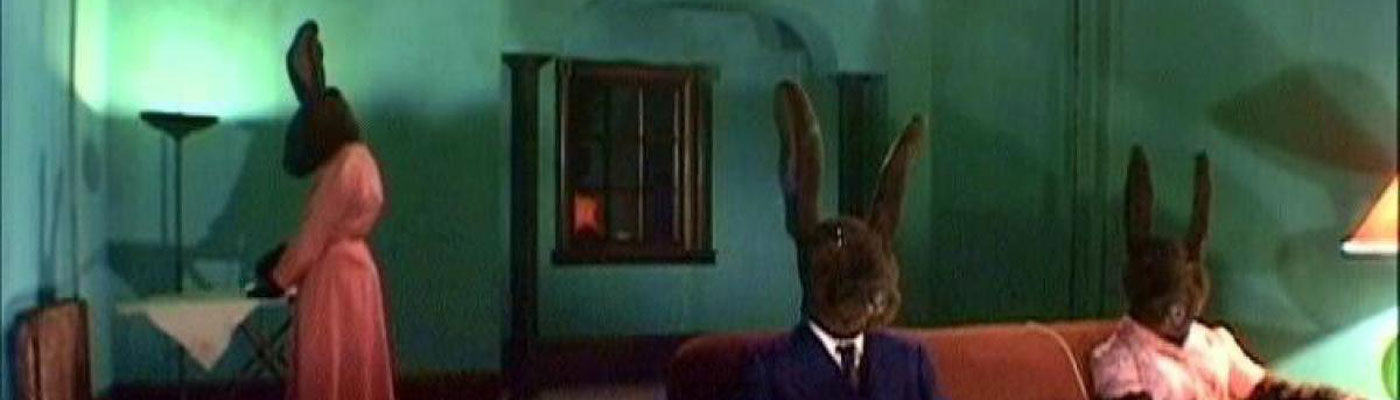
The best parts are Peele’s delicious conversations with other films, both overt and sly. You will probably think you’re the only one who notices a VHS of the 1984 horror movie C.H.U.D. resting against the TV in the film’s opening shot, but whatever, you’re not. We get some playful homages to horror franchises like Friday the 13th, some definite Charlie Kaufman influences, and here’s the catch I’m most proud of: Watch for an exact recreation of an iconic shot from the Shining. I’ll give you a clue: It features a couple of dead, white girls.